Your Guide to Japanese Kitchen Knives
Practical guides to choosing, buying, and caring for Japanese kitchen knives.
Choose a Japanese knife for the work it does
Japanese kitchen knives differ in blade shape, bevel, steel, and maintenance needs. Start with the tasks you do most often, then compare the sharpening and care each knife requires. The guides below cover knife types, production regions, craftsmanship, and care.
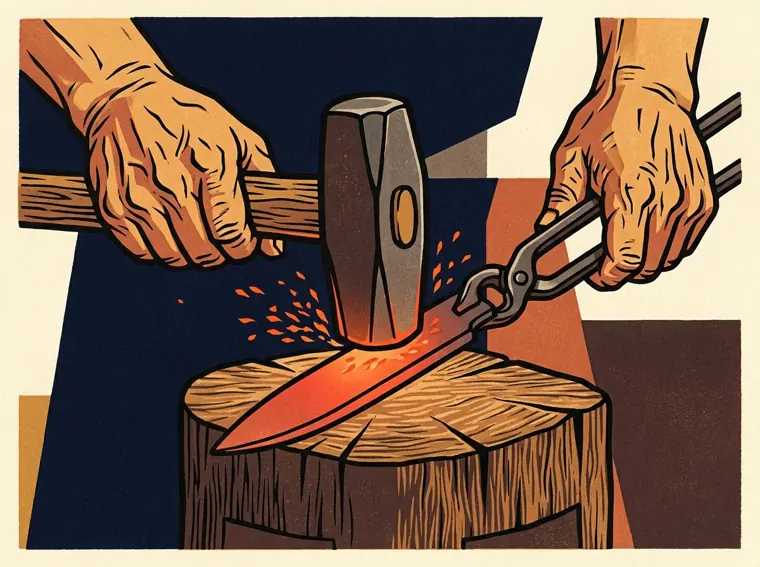
Discover the World of Japanese Blades
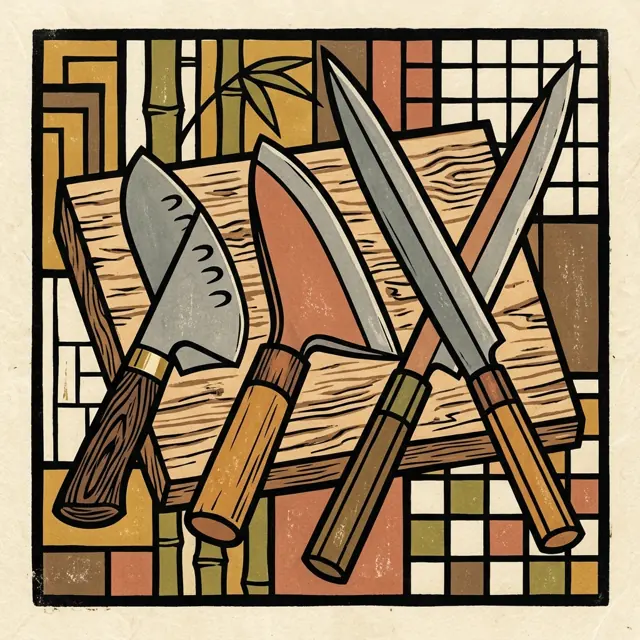
Knife Types
Explore specialized kitchen knives — from the all-purpose Santoku to the precision Yanagiba sashimi blade.
Browse Catalog →
Production Regions
Explore five established kitchen-knife regions and four other regions known for blades or metalworking.
Explore Map →
Craft & History
Learn about the transformation from raw iron sand into a masterfully forged tool.
See How It's Made →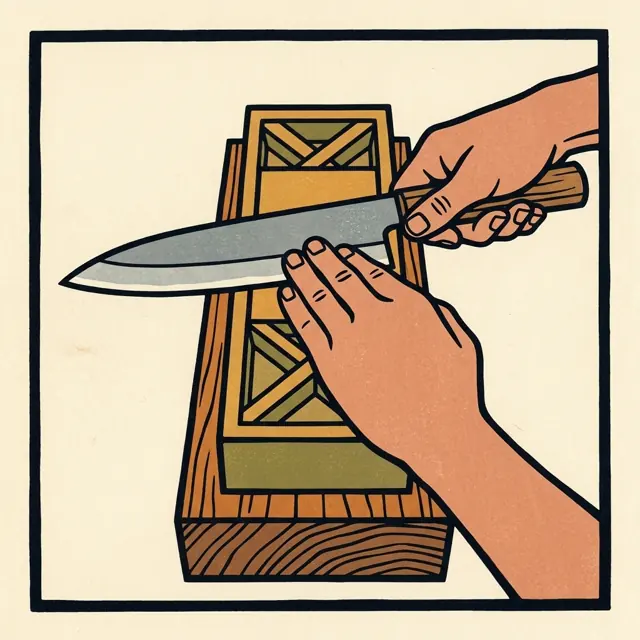
Care & Buying
Master the art of whetstone sharpening, rust prevention, and safe international transport.
Care & Buying Tips → Buyer's Guide
Where to buy, how much to budget, and how to bring your knife home safely.
Read the Guide →Choose a knife by what you cook
Start with the task you do most often. Knife shape and edge style affect how a blade performs and how it needs to be maintained.
Santoku
A compact all-purpose shape for common home tasks such as vegetables, boneless meat, and fish.
Long slicingGyuto
A longer chef's knife for slicing and varied prep; its curved edge can also support a rocking motion.
Whole-fish prepDeba
A thick, single-bevel knife used to portion and break down whole fish, including suitable fish bones. Avoid large bones and frozen food.
SashimiYanagiba
A long, single-bevel knife designed for drawing clean slices through boneless fish fillets.
Small, precise workPetty
A small knife for peeling, trimming, and detail work where a full-size blade is unwieldy.
Single-bevel knives are commonly ground for a specific hand. Confirm the grind and handedness before buying.
Cutlery Capitals Map
Explore five established kitchen-knife regions and four other regions known for blades or metalworking.
5 Legendary Cutlery Capitals
Sakai
Osaka
Single-edged traditional knives (Deba, Yanagiba, Usuba)
Seki
Gifu
Modern Damascus Steel Knives (Santoku, Gyuto)
Tsubame-Sanjo
Niigata
All-Stainless Steel Knives
Echizen
Fukui
Thin-bladed kitchen knives (Gyuto, Santoku)
Tosa
Kochi
Kurouchi Black-Finished Knives (Gyuto, Santoku, Nakiri)